Generational Trauma: Why You Feel Things That Didn’t Begin With You | Epigenetics & Ancestral Healing
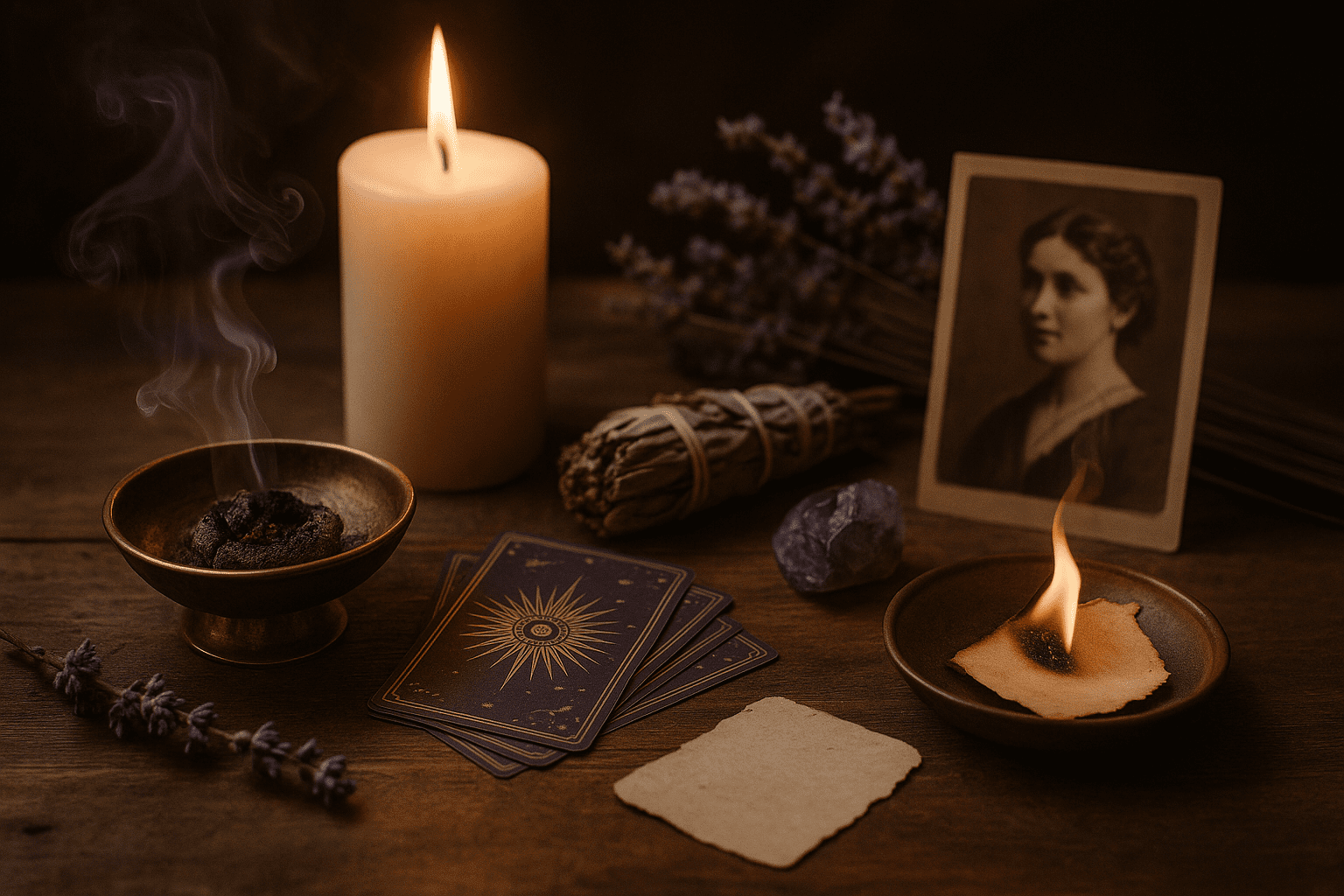
Have You Ever Felt Like You Were Carrying Something That Was Never Yours?
- August 3, 2026
- Katja Barnasiow Pereira
- 6:11 pm
Ancestral Trauma Healing & Epigenetics
Have you ever looked at your life and wondered why certain emotions feel so much larger than the experiences you have actually lived through? Perhaps you have always carried a sadness you could never explain, found yourself returning to the same relationship patterns, or lived with the quiet sense that something within you has never fully come to rest. No matter how much inner work you have done or how deeply you have tried to understand yourself, there may still be moments when you ask, Why do I feel this way? Yet every answer you find seems to leave something untouched.
Not everything we carry begins with us. Sometimes fear lives within us without a clear origin in our own story. Grief may be present without a memory attached to it, while a deep sense of responsibility can accompany us for so long that we no longer remember what life felt like without it. At times, it can seem as though an invisible thread connects us to experiences we never lived ourselves, yet still shapes the way we think, feel, love, and move through the world.
Perhaps this has led you to wonder, What didn’t begin with me? That question can mark the beginning of a journey into generational trauma. It does not ask us to blame our families or to see ourselves as broken. It simply opens us to the possibility that some of the emotional patterns shaping our lives today may have roots in a story that began long before our own.
In recent years, researchers in epigenetics have explored whether severe stress and traumatic experiences may affect biological processes in ways that could also influence future generations. Many spiritual traditions have long held the belief that unresolved experiences within a family can continue through the ancestral line until they are finally seen, understood, and met with compassion. Epigenetics offers one way of exploring what may be carried biologically, while spiritual traditions offer another way of understanding what may remain emotionally and spiritually alive within a family. What connects these perspectives is the invitation to look beyond the boundaries of a single life and consider whether some of what you carry today may have begun long before you were born.
If the answer is yes, then something equally hopeful becomes possible. What has been carried through generations can be brought into awareness, and what we begin to understand no longer has to shape our lives in quite the same way. This is at the heart of ancestral healing. It is not about remaining bound to the past, but about understanding your family’s story well enough to create greater freedom in the present and a different future for yourself and the generations who follow.
Healing does not always begin by asking, What is wrong with me? Sometimes it begins when we are finally able to ask ourselves a gentler and perhaps more honest question. What am I carrying that does not truly belong to me?
Could some of what we carry today have begun long before we were born?
Simply asking this question can open the door to a new understanding of ourselves. If some of what we feel has been carried through generations, then it can also be brought into awareness. And what we begin to recognize and understand no longer has to shape our lives in the same way. Understanding your family’s story is not about living in the past. It is about creating the freedom to write a different future for yourself and for the generations that follow.
Healing does not always begin by asking, “What’s wrong with me?”
Sometimes it begins by asking,
What Is Generational Trauma?
Signs You May Be Carrying Generational Trauma
The signs of generational trauma are rarely obvious. More often, they quietly become part of everyday life, shaping the way we experience relationships, the fears we cannot explain, and the expectations we place on ourselves without ever asking where they came from. Many women spend years believing that something is wrong with them because they feel more deeply than others, find it difficult to trust, or carry an almost instinctive sense of responsibility for everyone around them. Even after years of personal growth, therapy, or spiritual work, certain patterns may continue to return.
Perhaps you know this feeling. Your life may appear peaceful from the outside, yet within you there is a quiet restlessness that never fully disappears. You may prepare yourself for the worst even when everything is going well, or find it difficult to truly receive love because a part of you is always waiting for it to disappear. Maybe you have spent so much of your life caring for everyone else that you have forgotten what it feels like to care for yourself.
These experiences can feel deeply personal, yet sometimes they are connected to a story that began long before we were born. This does not mean that every difficult emotion is inherited. It simply creates space for the possibility that some of the patterns we carry today may be part of a much larger family story. People who begin exploring generational trauma often recognize themselves in experiences such as:
- A persistent sense of inner tension, even when life feels safe
- A deep fear of abandonment or rejection
- Repeating the same relationship patterns again and again
- Feeling responsible for other people’s emotions
- Difficulty trusting others or allowing true emotional closeness
- A sense of guilt without knowing where it comes from
- Constant overwhelm or the feeling that you always have to remain strong
- Anxiety that seems disconnected from your present life
- Feeling emotionally numb or disconnected from yourself
- A deep exhaustion that cannot always be explained
Perhaps one of these signs speaks to something within you. You may find yourself asking, Am I carrying inherited trauma? Maybe you have wondered whether your nervous system is holding inherited stress, or another question has quietly returned again and again: Which inherited pattern is still active in my life today?
No checklist can tell you with certainty whether you are carrying generational trauma. Every life is unique, and every story deserves to be met with compassion rather than assumptions. Yet healing sometimes begins when we allow ourselves to become curious enough to ask whether everything we have carried for so many years truly belongs to us alone.
Signs You May Be Carrying Generational Trauma
Generational trauma rarely appears in obvious ways. More often, it quietly becomes part of everyday life. It can be found in the way we experience relationships, in the fears we cannot explain, or in the invisible expectations we place upon ourselves. Many women spend years believing that something is wrong with them because they react more deeply than others, struggle to trust, or constantly feel responsible for everyone around them. Even after years of personal growth, therapy, or spiritual work, certain patterns seem to return again and again.
Perhaps you know this feeling. Life may look peaceful from the outside, yet inside you carry a quiet sense of restlessness that never completely disappears. You may prepare yourself for the worst, even when everything is going well, or find it difficult to truly receive love because a part of you is always waiting for it to disappear. Maybe you’ve spent so much of your life taking care of everyone else that you’ve forgotten what it feels like to take care of yourself.
These experiences often feel deeply personal. Yet sometimes they are part of a story that began long before we were born. That doesn’t mean every difficult emotion is inherited, but it gently opens the possibility that some of the patterns we carry today may belong to a much larger family story.
Many people who begin exploring Generational Trauma recognise themselves in experiences such as:
- A constant feeling of inner tension, even when life feels safe.
- A deep fear of abandonment or rejection.
- Repeating the same relationship patterns over and over again.
- Feeling responsible for everyone else’s emotions.
- Difficulty trusting others or allowing true emotional closeness.
- A sense of guilt without knowing where it comes from.
- Constant overwhelm or the feeling that you always have to stay strong.
- Anxiety that seems disconnected from your present life.
- Feeling emotionally numb or disconnected from yourself.
- A deep exhaustion that cannot always be explained.
Perhaps one of these points speaks to you.
Or perhaps you find yourself asking, “Am I carrying inherited trauma?”
Maybe you’ve wondered, “Is my nervous system holding inherited stress?”
Or perhaps there is another question that quietly returns again and again:
“Which inherited pattern is active in my life right now?”
There is no checklist that can tell you with certainty whether you are carrying generational trauma. Every life is unique, and every story deserves to be seen with compassion rather than assumptions. Yet sometimes healing begins with allowing ourselves to become curious. Curious enough to ask whether what we have been carrying for so many years truly belongs to us alone.
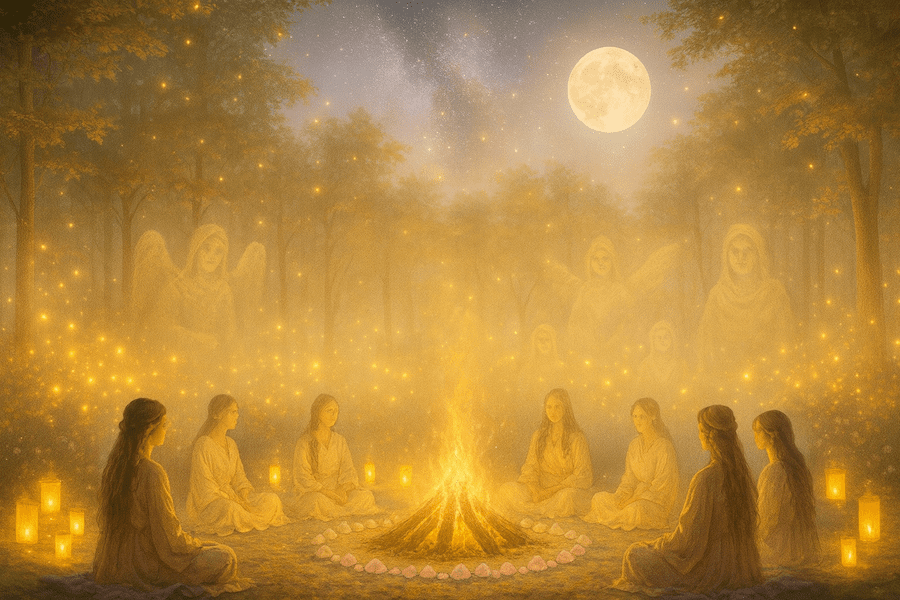
How Trauma Can Be Passed Through Generations
For many years, trauma was understood as something that ended with the person who experienced it. Today, we know that the picture may be far more complex.
The field of epigenetics has opened a new way of looking at inherited experiences. Researchers are exploring whether severe stress caused by war, famine, persecution, or other traumatic events may influence biological processes in ways that could also affect future generations. This research is still evolving, and there are no simple conclusions. Yet it offers a fascinating perspective on something many families have sensed for a long time: the past does not simply disappear because time moves on.
This does not mean that we inherit trauma in the same way we inherit the color of our eyes. Nor does it mean that every emotional struggle can be explained through epigenetics. Human beings and their stories are beautifully complex, and there is rarely one single explanation. What this research invites us to consider is whether our nervous system, our responses to stress, and even our sense of safety may be influenced not only by our own experiences, but also by the lives of those who came before us.
For many people, this possibility brings a surprising sense of relief. Instead of asking, Why am I like this? a different question begins to emerge: What did my family have to survive? Is there unspoken trauma in my family line? Even this small shift can change the way we see ourselves. Our attention moves away from self judgment and toward understanding. We stop believing that something within us is broken and begin to recognize ourselves as part of a much larger story, one shaped by love, resilience, sacrifice, survival, and hope.
For me, this is where science and ancestral healing meet. They are not the same, but they allow us to look at the same human experience from different perspectives. Epigenetics explores what may happen within the body, while ancestral healing asks what may still be waiting to be seen, acknowledged, and lovingly released within the family line.
Neither perspective replaces medical or psychological support when it is needed. Yet together, they can open the door to deeper questions: What am I carrying that does not truly belong to me? What is still waiting to be acknowledged within my ancestral line?
Sometimes, understanding the story we have inherited becomes the first gentle step toward writing a new one.

How Generational Trauma Can Shape Relationships
One of the places where generational trauma often becomes most visible is in our relationships. This is true not only of romantic partnerships, but also of the relationship we have with ourselves, our children, our families, and the world around us. The way we connect with others is shaped by countless experiences throughout our lives. We learn what love feels like, whether it is safe to trust, what happens when conflict arises, and whether there is room for our own needs. Over time, these experiences become so familiar that we rarely think to question them. They simply become our normal.
Yet some of the patterns we live may be older than we realize. Their roots may lie in experiences that were never ours, but belonged to the generations before us. Perhaps a grandmother lived through war, a grandfather never spoke about what he had seen, or parents learned to survive by hiding their emotions because life demanded strength rather than vulnerability. Every generation does the best it can with what it has been given. Still, the survival strategies that once protected a family can quietly become emotional burdens for those who come after.
Perhaps you recognize yourself in this. You long for a loving relationship, yet somehow continue to find yourself with partners who are emotionally unavailable. You may carry a deep fear of being abandoned even though nothing in your life today seems to explain it. Or perhaps you have always felt responsible for everyone around you, as though everything might fall apart the moment you stop holding it together. When the same experiences keep returning despite your conscious efforts to choose differently, it is natural to wonder, Why do I keep repeating the same relationship patterns? In time, another question may begin to rise within you: What is the root cause of this pattern?
These questions can slowly change the way we see ourselves. Instead of wondering what is wrong with us, we begin to consider whether the answers may be found within a much larger story. This does not excuse the choices we make, nor does it place blame on the generations before us. It simply allows us to understand ourselves with greater compassion. When we begin to recognize where a pattern may have come from, we no longer have to fight against ourselves. We can respond differently, make new choices, and create experiences that may not have been possible for those who came before us.
Healing cannot change the past or erase what our family has lived through. But it can change the way those experiences continue to shape our lives today. Perhaps this is one of the greatest gifts we can give to ourselves and to the generations that will one day follow.
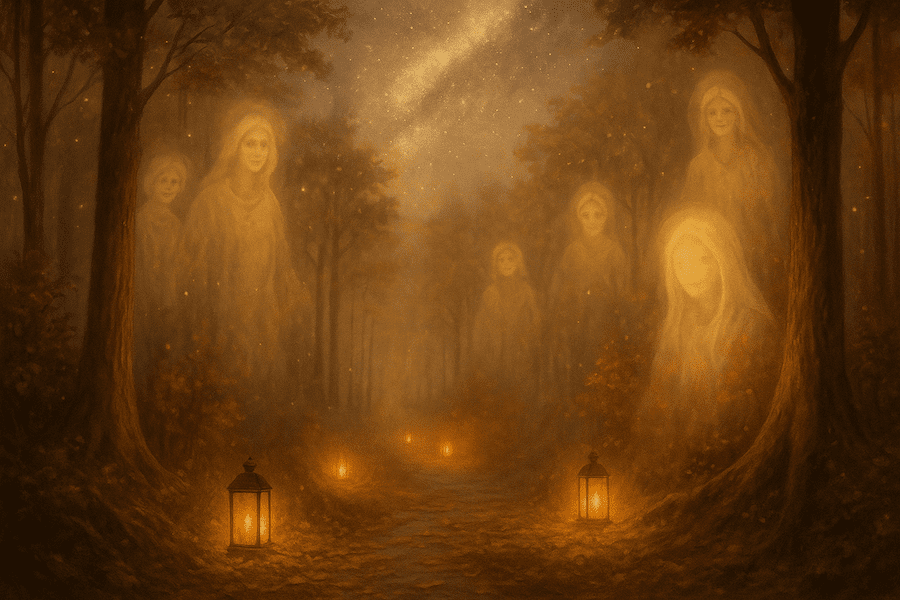
Can Generational Trauma Be Healed?
Generational trauma, also known as intergenerational or inherited trauma, describes emotional, psychological, and sometimes biological patterns that may be passed from one generation to the next. These patterns can develop when earlier generations lived through overwhelming experiences such as war, abuse, displacement, neglect, or other forms of trauma that were never fully processed. Every family story is different, and not every emotional struggle has its roots in generational trauma. Yet exploring your family history can sometimes bring a deeper understanding of feelings and patterns that have always been difficult to explain.
Ancestral Healing: A Spiritual Perspective
As you’ve seen throughout this article, modern research and spiritual traditions approach the subject of inherited experiences from different perspectives. Science seeks to understand what can be observed, measured, and explained. Spiritual work explores the inner experiences that often cannot be captured in a laboratory but are deeply meaningful to the people who live them. For me, these perspectives do not stand in opposition to one another. They simply ask different questions, and together they can offer a broader understanding of what it means to carry a family story.
Ancestral Healing is based on the understanding that unresolved emotional experiences within a family may continue to influence future generations until they are consciously acknowledged. It is not about blaming our parents or grandparents, nor is it about searching for someone who is responsible for our pain. Instead, it invites us to look at our family history with compassion, recognising that every generation did the best it could with the awareness, resources, and circumstances it had at the time. “What wants to be acknowledged in my ancestral line?” ← Channeling-Link
In my own work, I have met many people who carried emotions they could never fully explain. Some struggled with a deep sense of guilt, others with fears that seemed to have no clear origin, and many felt as though they had been carrying an invisible weight for most of their lives. Whether these experiences are understood through psychology, epigenetics, spirituality, or a combination of different perspectives is a deeply personal choice. What matters most is that people find an approach that helps them understand themselves with greater kindness instead of greater judgement.
Perhaps this is where the real gift of Ancestral Healing lies. It gently shifts the question from “What is wrong with me?”to something far more compassionate: “What am I carrying that doesn’t truly belong to me?”
Sometimes, that single question opens the door to a completely different relationship with ourselves, our family, and our own life. Healing doesn’t require us to reject the past. Sometimes, it simply begins by seeing it with new eyes.
How to Begin Exploring Your Family Story
You do not need to know every detail of your family history to begin this journey. Many people believe they must first uncover old family secrets or trace their ancestry back through generations before they can understand themselves more deeply. In my experience, that is rarely how it begins. More often, it starts in a quiet moment of curiosity, when you stop searching for quick answers and allow yourself to ask questions you may never have asked before.
Perhaps you already know parts of your family’s story. You may have heard about a grandparent who lived through war, someone who was forced to leave their home, or relatives who rarely spoke about the past. In other families, almost nothing may have been passed down. Sometimes silence becomes part of the family history itself. Yet even when very little is known, the emotional atmosphere within a family often tells a story of its own. The beliefs that were handed down, the roles each person was expected to fulfill, the expectations carried from one generation to the next, and the things that could never be spoken about can leave a deeper imprint than we realize.
As you begin to look at your family story with gentle curiosity, certain questions may naturally arise: What didn’t begin with me? Is there unspoken trauma in my family line? What am I carrying that doesn’t truly belong to me? You do not need to force an answer. Sometimes the questions themselves are enough to shift our perspective. They can help us see ourselves with greater compassion and recognize that our own story may be part of something much larger.
You may also notice patterns that seem to repeat throughout your family. Perhaps similar fears appear in different generations, or the same relationship dynamics, emotional struggles, and unspoken responsibilities continue to surface. This is not about proving where a pattern began or finding someone to blame. It is an invitation to become more aware of the story that has shaped your life and to gently ask which parts of it still belong to you and which ones you are ready to let go of.
Healing cannot change the past. It will always remain part of your family’s story. What can change is the way you carry it. Sometimes this quiet shift in awareness is enough to make a different future possible, not only for you, but also for the generations that follow.
A Different Story Can Begin With You
Perhaps, as you’ve been reading this article, you’ve recognized yourself in some of these experiences. Maybe you’ve remembered stories from your own family or begun asking questions that had never occurred to you before. Or perhaps you’ve simply noticed a quiet feeling that there may be more to your story than you once believed.
Whether you understand these patterns through psychology, epigenetics, or Ancestral Healing is deeply personal. One perspective does not have to exclude another. Each offers a different way of understanding why certain emotions, beliefs, or relationship patterns can accompany us throughout our lives. What matters is not finding one perfect explanation, but allowing yourself to become curious about your own story and meeting yourself with compassion rather than judgment.
Every family carries joy and sorrow, strength and vulnerability, love and loss. We inherit traditions, values, and beautiful memories, but sometimes we also carry silences, fears, or ways of surviving that once protected those who came before us. Looking at our family history is not about placing blame. It is about understanding where we come from so that we can make conscious choices about where we want to go. Sometimes that begins with a simple question: What didn’t begin with me? From there, another may follow: What am I carrying that doesn’t truly belong to me?
Healing rarely begins with having all the answers. More often, it begins with the willingness to ask new questions and see ourselves through kinder eyes. If this article has encouraged you to look at your family story with a little more curiosity and compassion, perhaps you are already beginning to carry it differently. The past has not changed, but your relationship with it can. And from there, a different story can begin with you.
You Are Not Your Family’s Past
One of the greatest fears people have when they begin exploring their family history is the thought that they might be trapped by it. If painful experiences have shaped previous generations, does that mean the same fate is waiting for them? Is the story already written, or is it still possible to change its direction?
In my experience, this is where hope quietly begins to emerge. Becoming aware of generational patterns does not mean accepting them as your destiny. It simply allows you to see them more clearly. What remains hidden often continues to influence our lives without us even noticing. What becomes conscious, however, can be met with understanding, compassion, and, over time, different choices. Awareness does not change the past, but it can profoundly change the way we respond to it in the present.
Every generation has the opportunity to write a new chapter. The experiences of our parents and grandparents will always remain part of our family history, just as our own experiences will become part of the story that follows us. Yet every act of awareness, every loving decision, every moment in which we respond differently instead of repeating an old survival pattern has the potential to create something new. In that sense, healing is not about rejecting where we come from. It is about honouring our family’s story while allowing ourselves the freedom to continue it in a different way.
Perhaps this is the most important thought I would like to leave with you. Your family history may help explain parts of your life, but it does not have to define the rest of it. You are not here to erase the past, nor are you here to carry it forever. You are here to live your own life with greater awareness, greater compassion, and the freedom to choose what you wish to pass on. “What am I carrying that doesn’t truly belong to me?”
Sometimes, that single question becomes the beginning of a story that feels lighter, more peaceful, and truly your own.
Generational trauma, also known as intergenerational or inherited trauma, describes emotional, psychological, and sometimes biological patterns that may be passed from one generation to the next. These patterns can develop when earlier generations lived through overwhelming experiences such as war, abuse, displacement, neglect, or other forms of trauma that were never fully processed. Every family story is different, and not every emotional struggle has its roots in generational trauma. Yet exploring your family history can sometimes bring a deeper understanding of feelings and patterns that have always been difficult to explain.
Generational trauma and ancestral trauma are often used interchangeably, although each term carries a slightly different emphasis. Generational trauma is more commonly used in psychology and research to describe trauma that may continue to affect later generations. Ancestral trauma is more often associated with spiritual traditions and focuses on unresolved experiences, emotional patterns, and family dynamics that may continue through an ancestral line. While these perspectives approach the subject from different angles, both invite us to look beyond our individual story and consider whether some of what we carry may have begun before us.
Research in epigenetics suggests that severe stress and traumatic experiences may influence biological processes in ways that can affect future generations. Psychology adds another important perspective, showing how learned behaviors, family dynamics, and the emotional atmosphere within a family can continue from one generation to the next. Together, these perspectives offer a deeper understanding of how generational trauma may develop, although research is still evolving and there is no single explanation. Every family history is different, and every person’s story remains unique.
Yes, it can. Some people notice recurring relationship patterns, a fear of abandonment, difficulty trusting others, or a strong tendency to take responsibility for everyone around them. These experiences do not necessarily mean that generational trauma is the cause. Yet for some people, exploring their family history can offer valuable insight into patterns that have been part of their lives for many years and may otherwise be difficult to understand.
Generational trauma may affect the nervous system, although research is still evolving. Chronic stress and traumatic experiences can influence how the nervous system responds to everyday life, and researchers are exploring whether stress responses shaped in one generation may also influence those that follow. There is still much to learn, but for many people, recognizing a possible connection between their emotional experiences, their family environment, and the way their nervous system responds today can offer a deeper and more compassionate understanding of reactions that have been difficult to explain.
Ancestral Healing is a spiritual approach that explores how unresolved experiences within a family may continue to influence the generations that follow. Rather than focusing on diagnosis or scientific explanation, it invites us to look at our family story with compassion and awareness, with the intention of gently releasing patterns we no longer wish to carry. It is not a substitute for medical or psychological care, but many people experience it as a meaningful complement to their personal healing journey.
Yes, generational trauma can be healed, although healing does not mean erasing the past or forgetting what earlier generations lived through. For many people, it begins with becoming aware of patterns that once felt automatic, understanding them more deeply, and gradually learning to respond in a different way. Every healing journey is personal, and each person may find support through a different approach, whether through therapy, trauma informed care, mindfulness, practices that work with the body, or spiritual work such as Ancestral Healing.
You do not need to know every detail of your family history to begin. You can start by gently noticing the emotional patterns, relationship dynamics, beliefs, or fears that seem to repeat within your family. Sometimes, simply allowing yourself to ask new questions can bring a deeper understanding of who you are and the story you may have inherited.
There is no single test that can tell you with certainty whether you are carrying inherited trauma. Yet if you notice recurring emotional patterns, repeated challenges in relationships, persistent fears, or reactions that feel much stronger than your own life experiences would seem to explain, it may be worth looking at your family history with curiosity and compassion. These experiences do not prove that generational trauma is the cause, but exploring where a pattern may have begun can bring a deeper understanding of what you are carrying. Often, recognizing the roots of a pattern is the first step toward changing the way it shapes your life today.